
The allure of risk and reward
The psychology of casino gambling is deeply intertwined with the concepts of risk and reward. Many gamblers are drawn to the thrill of potentially winning large sums of money, often overlooking the inherent risks involved. This attraction is partly rooted in human nature, where the hope of a significant payoff can override rational decision-making. This phenomenon is often referred to as “gambling addiction,” where the excitement of the game can lead to compulsive behavior. Players often seek out the best casino platforms for Aussies that offer the greatest excitement and potential rewards.
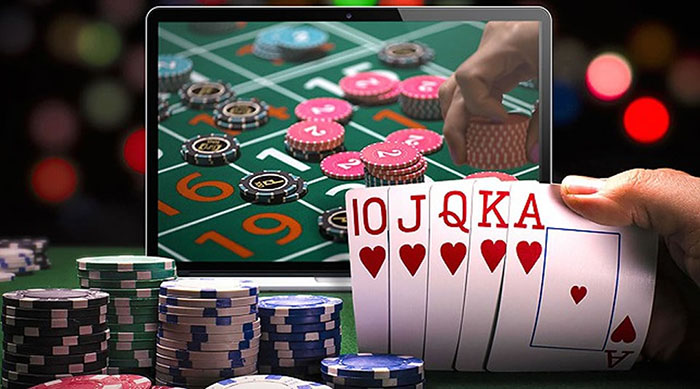
Moreover, the intermittent rewards associated with gambling amplify this issue. Similar to a slot machine that pays out sporadically, the unpredictability of wins can create a powerful psychological hook, reinforcing the behavior despite the potential for significant losses. This cycle of reinforcement emphasizes the excitement and the highs that come with gambling, making it difficult for individuals to walk away.
The role of cognitive biases
Cognitive biases significantly shape gambling behavior, influencing how players perceive their chances of winning. The “gambler’s fallacy,” for example, leads individuals to believe that past events can affect future outcomes in independent games of chance. When someone experiences a losing streak, they may be tempted to bet more, thinking that a win is ‘due’ to occur.
Additionally, confirmation bias plays a role, as gamblers often remember their wins while downplaying or forgetting their losses. This skewed perception can create a false sense of security and encourage continued gambling, despite evidence suggesting a negative trend. Understanding these biases is crucial for both gamblers and those who support them, as it can help mitigate detrimental habits.
Emotional factors in gambling
Emotions are another critical component of gambling habits, as individuals often use gambling as a means of coping with stress, anxiety, or depression. The excitement and adrenaline rush experienced in a casino environment can provide a temporary escape from everyday life, leading many to gamble to enhance their mood or alleviate negative emotions.
Gamblers may also experience a sense of belonging in the social atmosphere of casinos, which can further reinforce their habits. The thrill of participating in shared experiences—such as cheering for a winning hand—can create strong emotional ties to gambling environments, making it challenging for individuals to disengage from these settings even when they are aware of the potential dangers.
Social influences on gambling behaviors
Social factors play a significant role in shaping gambling habits, particularly in environments where gambling is normalized or celebrated. Friends and family who gamble can influence an individual’s propensity to engage in gambling activities, creating a social circle that fosters and encourages such behaviors.
Additionally, societal messages about wealth and success can further entice individuals to gamble, as winning is often portrayed glamorously in popular culture. Such influences can make it difficult for individuals to recognize when their gambling habits become problematic, as they may be surrounded by a community that views gambling as both a social activity and a pathway to financial gain.
Understanding gambling as a repeated behavior
Given the myriad psychological factors at play, gambling can easily transform from a casual hobby into a compulsive behavior. As individuals become more entrenched in gambling activities, the psychological hooks become stronger, creating a cycle that is hard to break. Those entrenched in these habits may require support to understand the underlying motivations for their gambling, as well as strategies to regain control.
A deeper understanding of the psychology behind gambling can aid in addressing the challenges faced by individuals affected by this behavior. Resources and support systems are essential for guiding individuals toward healthier habits and risk awareness, especially in environments that promote gambling as a form of entertainment.